The Strategic Advantage of Granularity in E-commerce
Alexandra De Ocampo
March 25, 2026
•
5
min read
When managing an e-commerce business, managing your shop should feel personal. You know exactly how many items are on your shelf because you likely put them there yourself. But as you grow, the "digital shelf" becomes more complex.
To scale a brand today, you need more than just a website; you need a system that understands the relationship between what you show the customer and what you actually have in stock. This is where inventory and variants become the most important tools in your shed.
Understanding the Basics: Product vs. Variant vs. Inventory
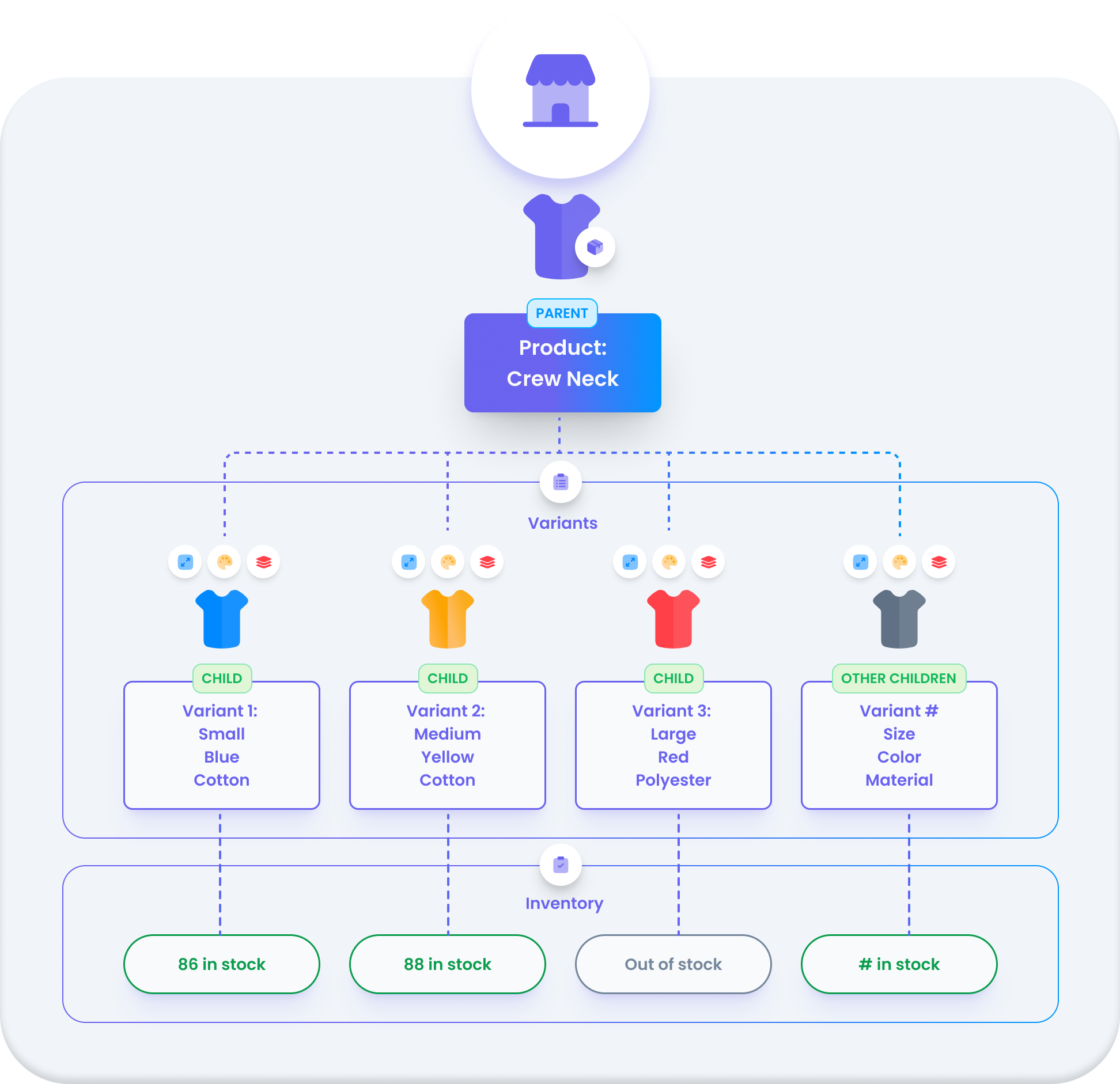
Think of your store as a hierarchy. If you try to manage every single item as a separate product, your backend will quickly become a chaotic mess of spreadsheets. Instead, modern commerce uses a "Parent and Child" logic:
The Product (The Parent): This is the high-level concept, like a "Classic Crew Neck." It’s what you market on social media.
The Variant (The Child): These are the specific versions of that product. The variants of a "Classic Crew Neck” are a matrix of sizes (S, M, L, XL), colors (Navy, Black, Grey), and materials (Cotton, Recycled Poly).
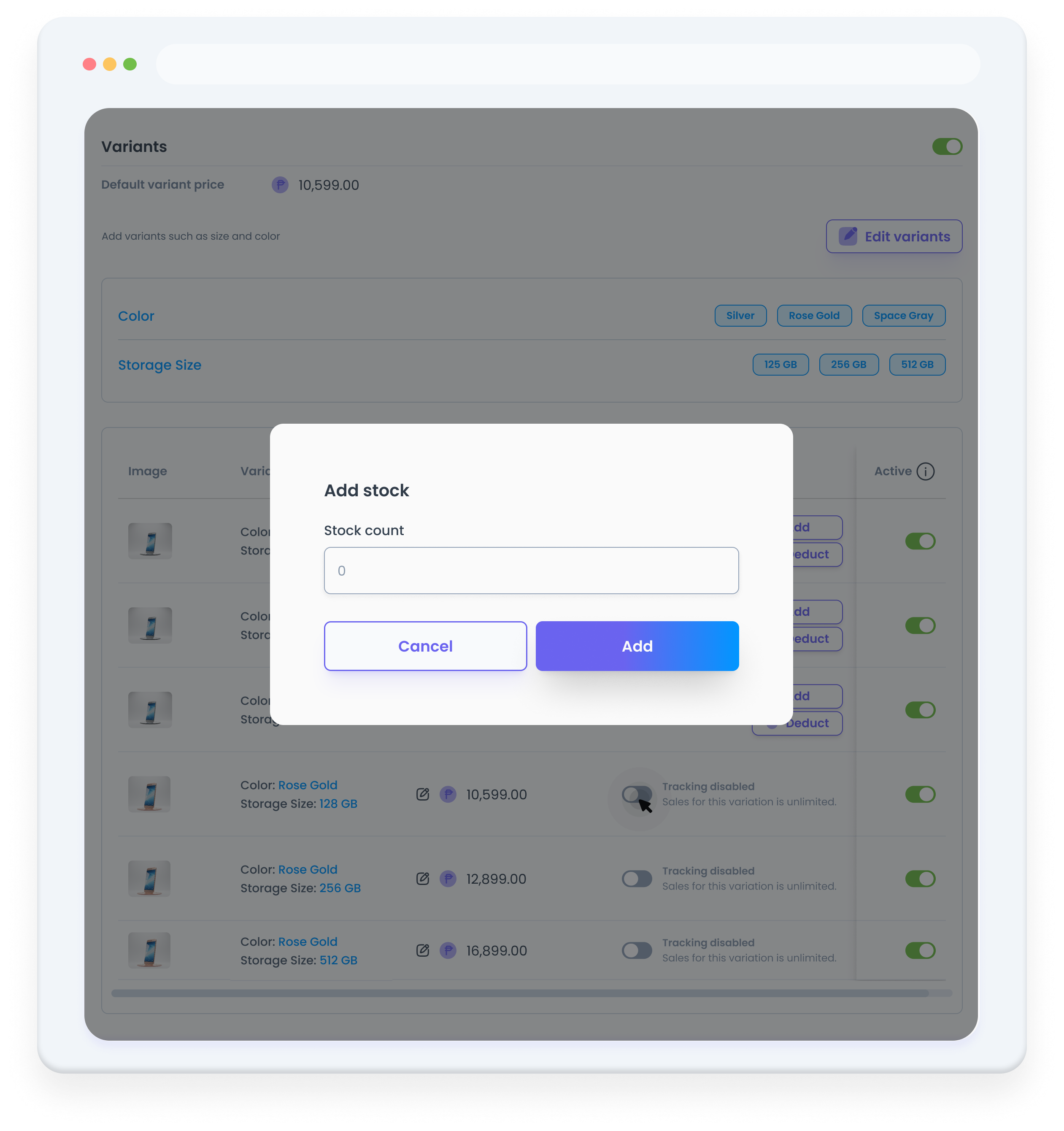
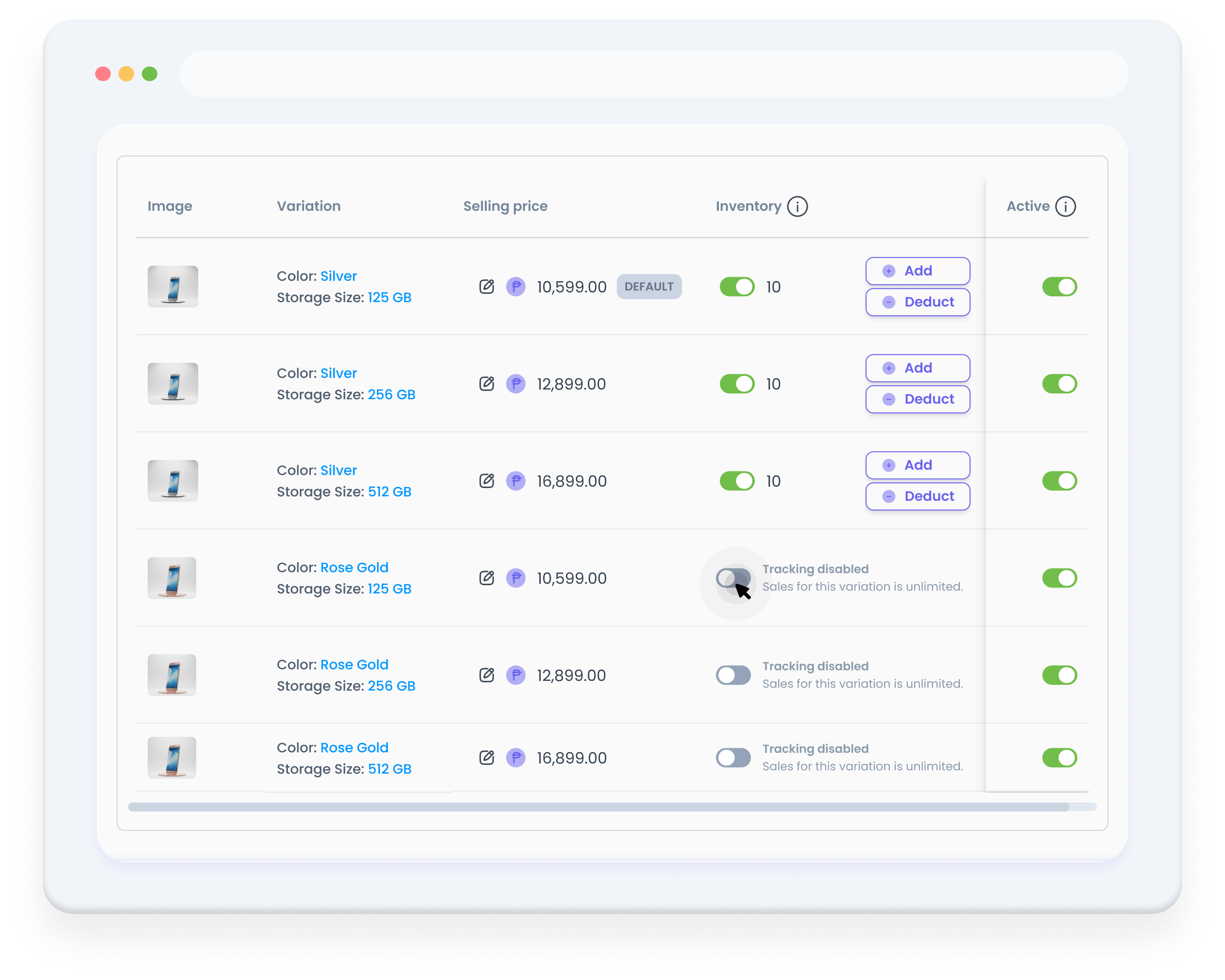
The Inventory: This is the specific count of each variant. You don't just have "50 Classic Crew Necks"; you have 20 in S/Navy/Cotton and 30 in L/Black/Recycled Poly.
By organizing your shop this way, you create a clean experience for your customers while keeping your "back office" organized and automated.
Use Cases: From High-Volume Retail to Modular Components
How does this look in practice for your business?
1. Apparel and retail: managing complexity without clutter
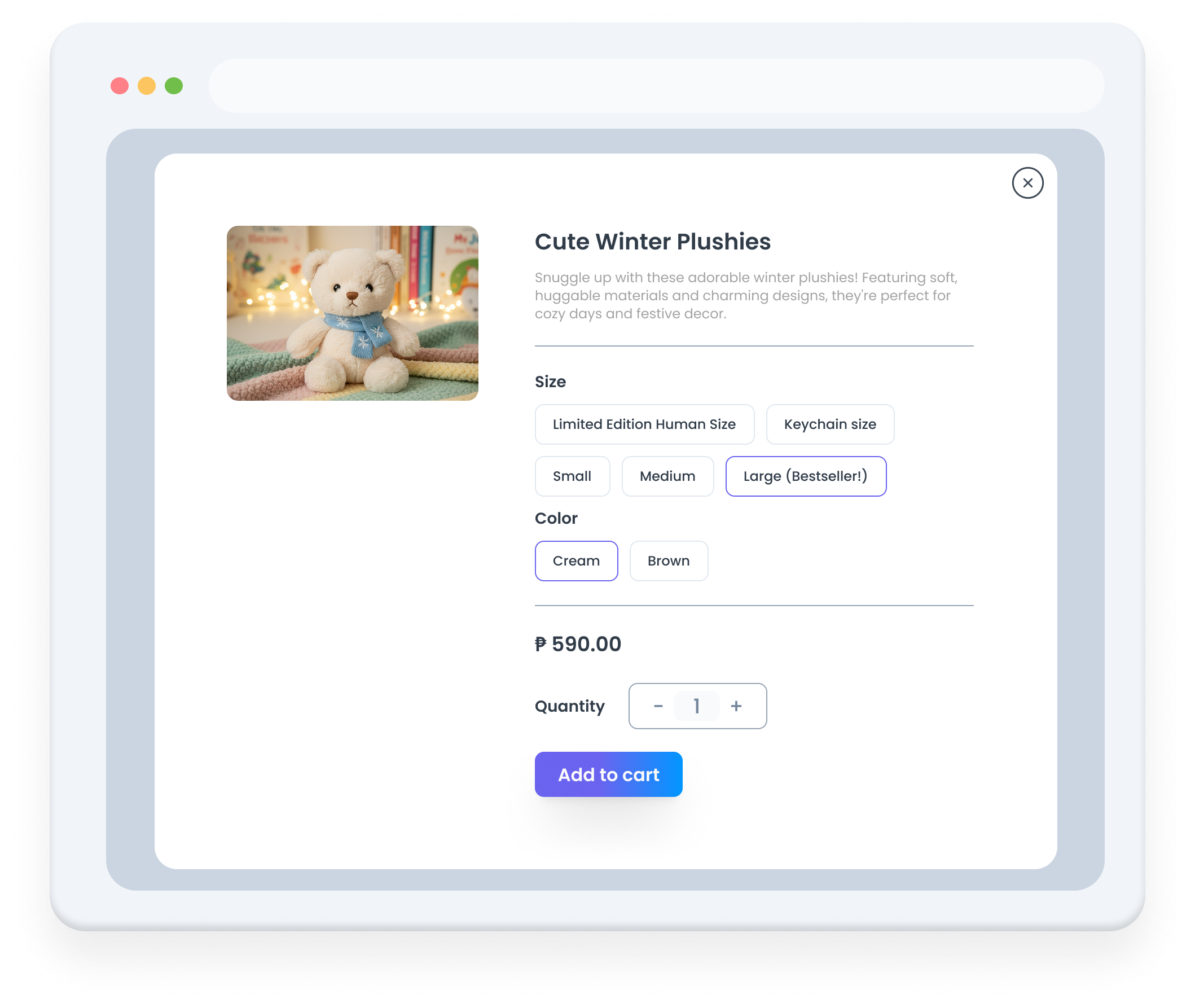
In fashion, every product naturally expands into dozens of combinations: sizes, colors, fits.
Without variants, you’d need separate listings for each combination. With variants, you group everything under one product page, simplifying navigation and reducing friction. Knowing you have 500 sneakers in stock, while also being low on Size 10 in Red.
This keeps your site easy to navigate, and your SEO (search engine ranking) focused on one strong product page.
2. Consumer electronics: pricing and configuration flexibility
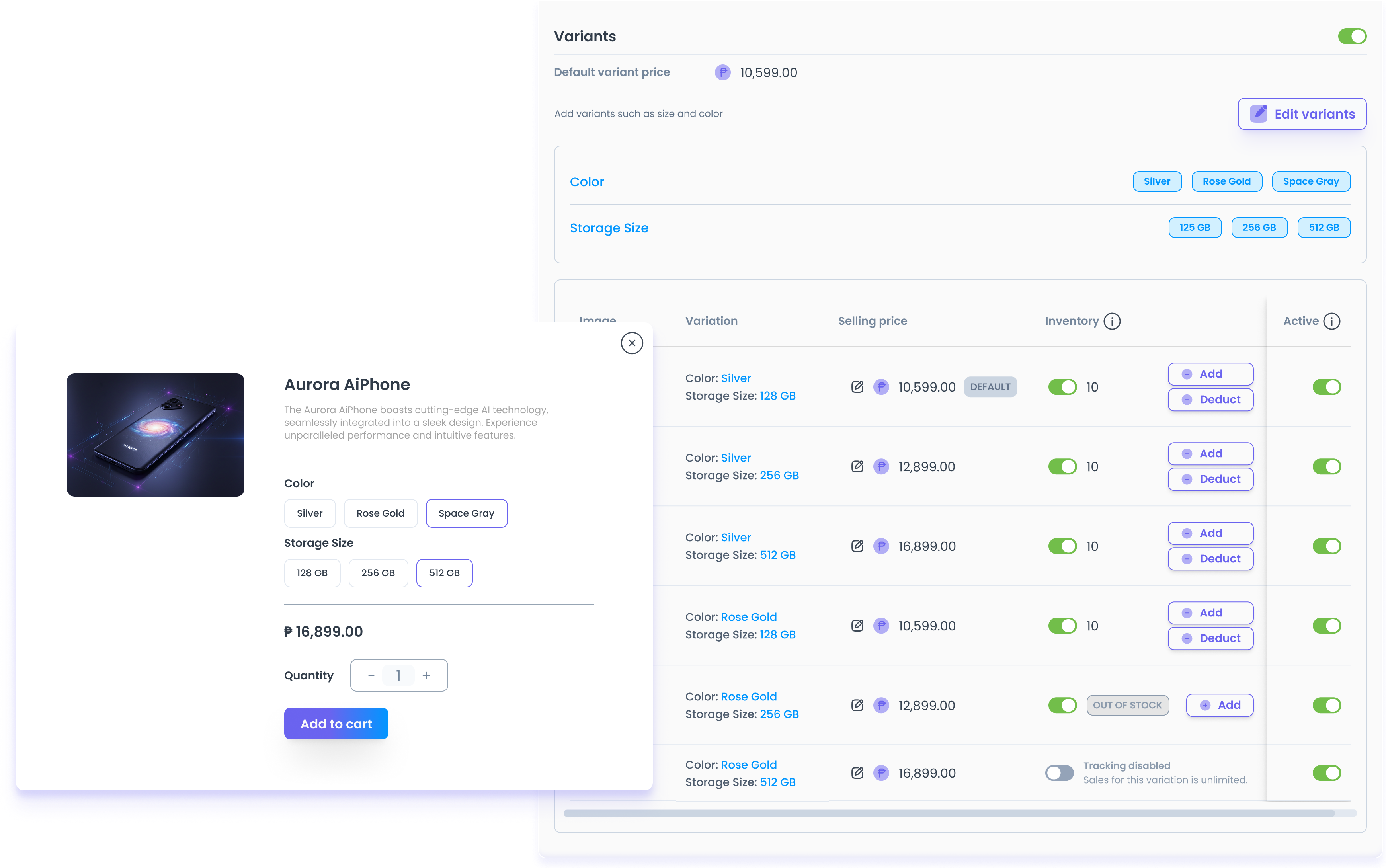
A single device might come in different storage capacities or finishes.
Variants allow you to:
Offer tiered pricing
Track demand per configuration
Adjust inventory dynamically per option
This enables more precise merchandising by highlighting high-margin or high-demand variants in campaigns.
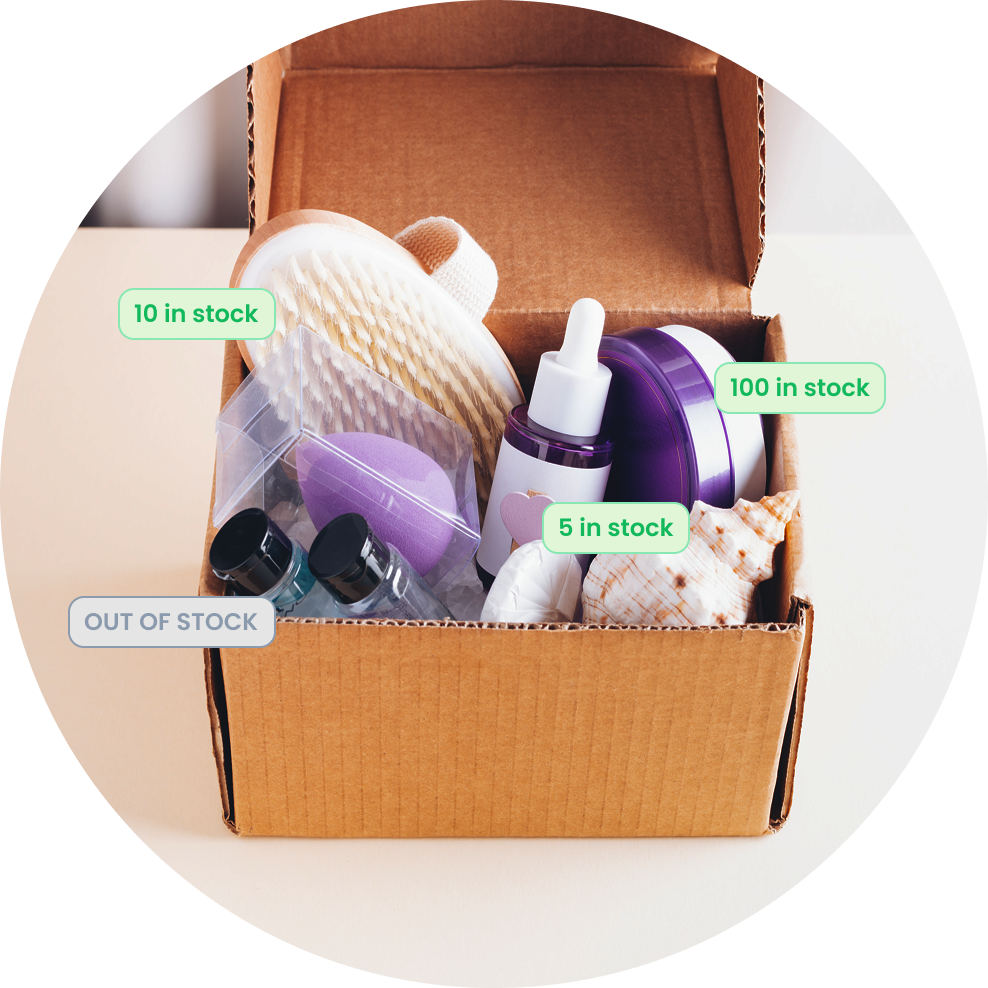
3. Food, beauty, and CPG: personalization at scale
Humans are biologically wired to crave variety, a psychological itch known as Sensory-Specific Satiety. Even if a customer is obsessed with your signature face cream, using the exact same formula day after day can eventually lead to "product fatigue."
Eventually, they’ll buy a competitor’s serum just to feel something new. By offering "Glow-Boosting," "Deeply Hydrating," and "Clarifying" variations, you satisfy their need for novelty and keep them anchored within your brand’s ecosystem indefinitely.
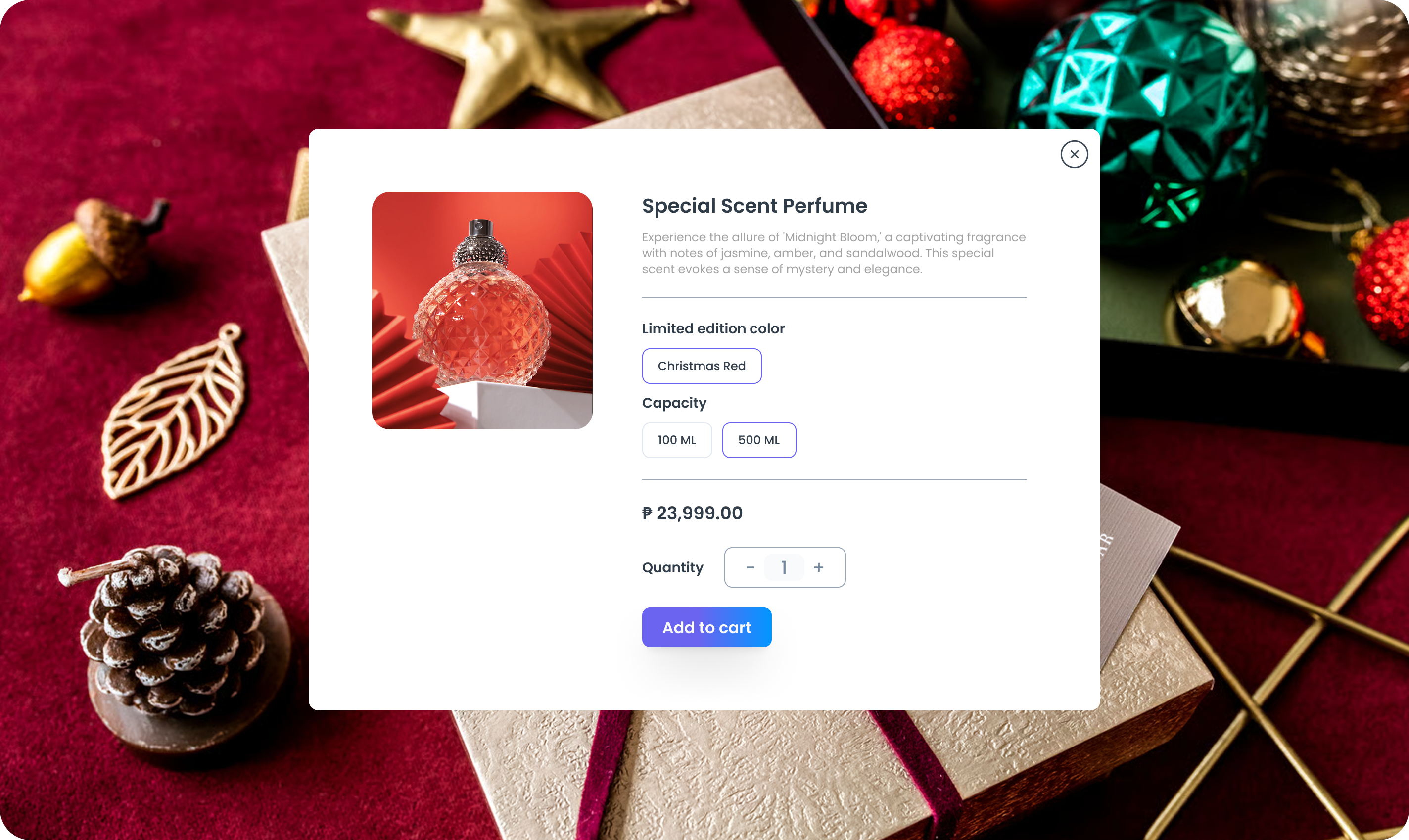
4. Seasonal Launches:offer exclusivity and harmony
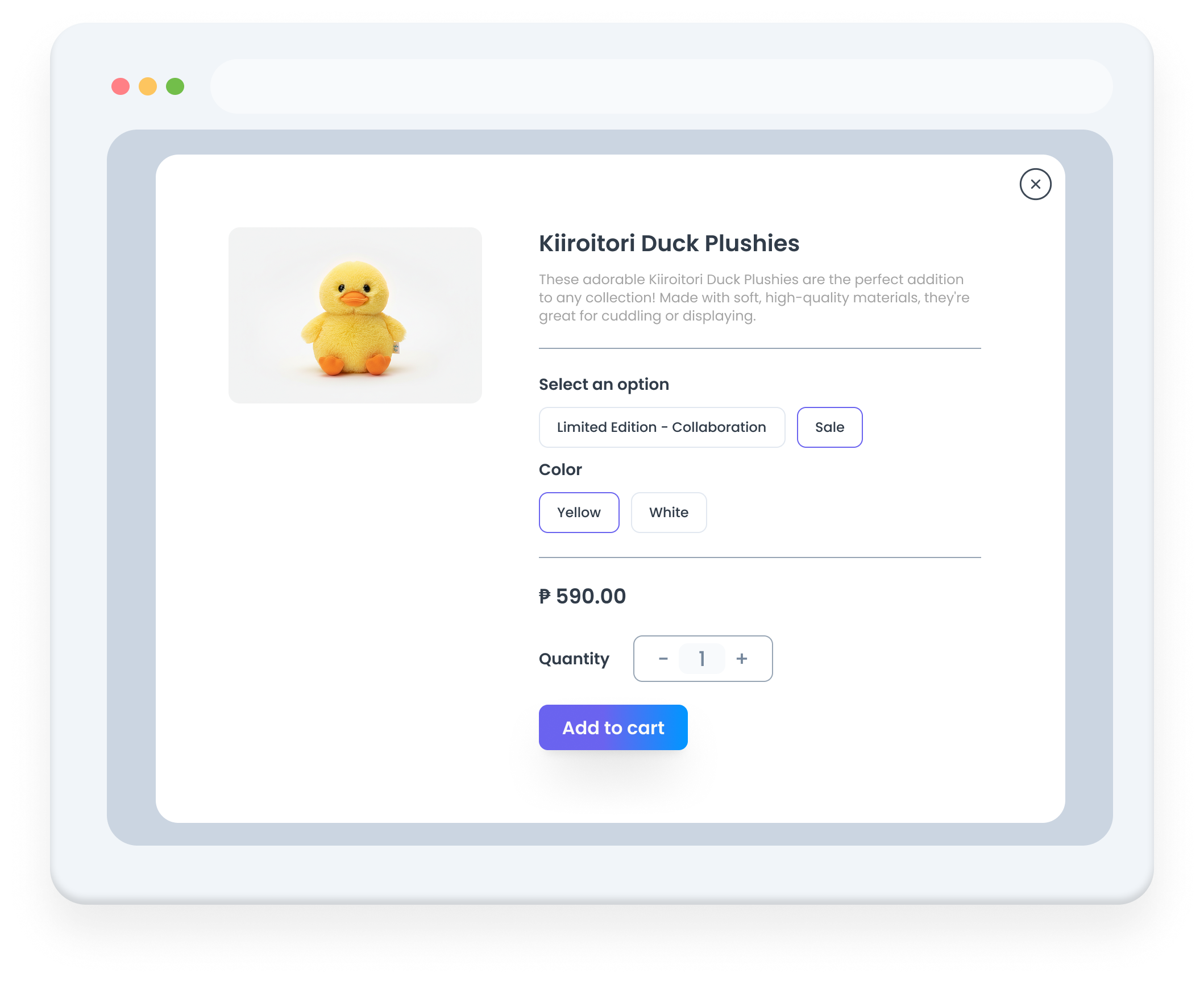
When you introduce a "Limited Edition" color for the holidays, you simply add a new variant to an existing high-performing product rather than starting from scratch.
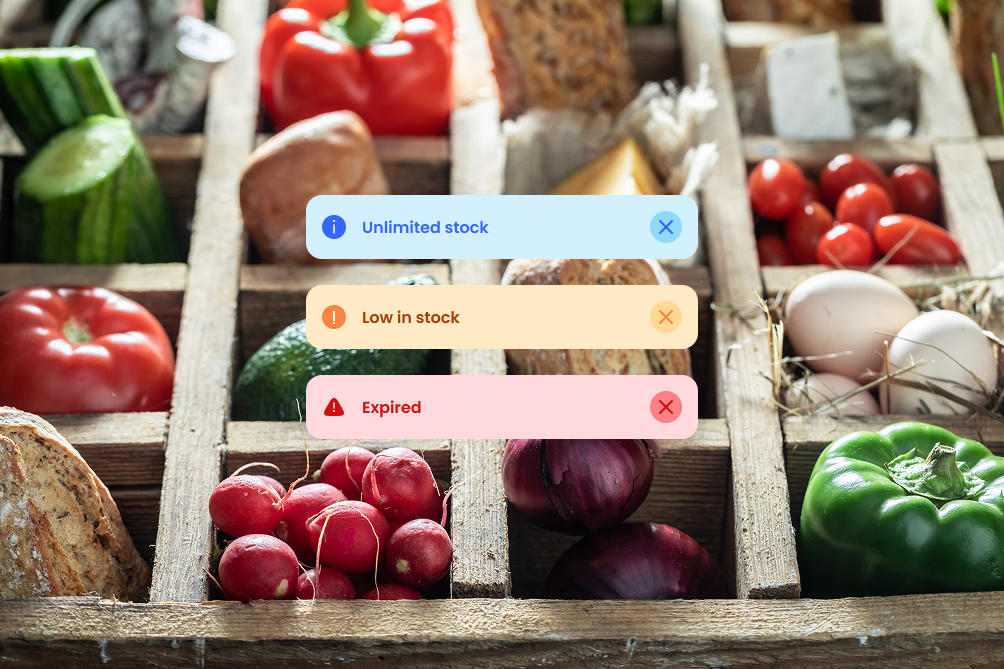
5. Perishable and Batch Goods: minimizing waste and safeguarding profits
In food and beverage or cosmetics, variants can be used to track batch numbers or expiration dates. This allows for "First-In, First-Out" (FIFO) logic, ensuring that the oldest inventory is sold first, reducing waste and protecting margins.
Why inventory and variants are a growth lever, not just an ops feature
At PayRex, we recognize that properly setting up your inventory and product variants is more than just good organization; it is a critical strategy for safeguarding your revenue.
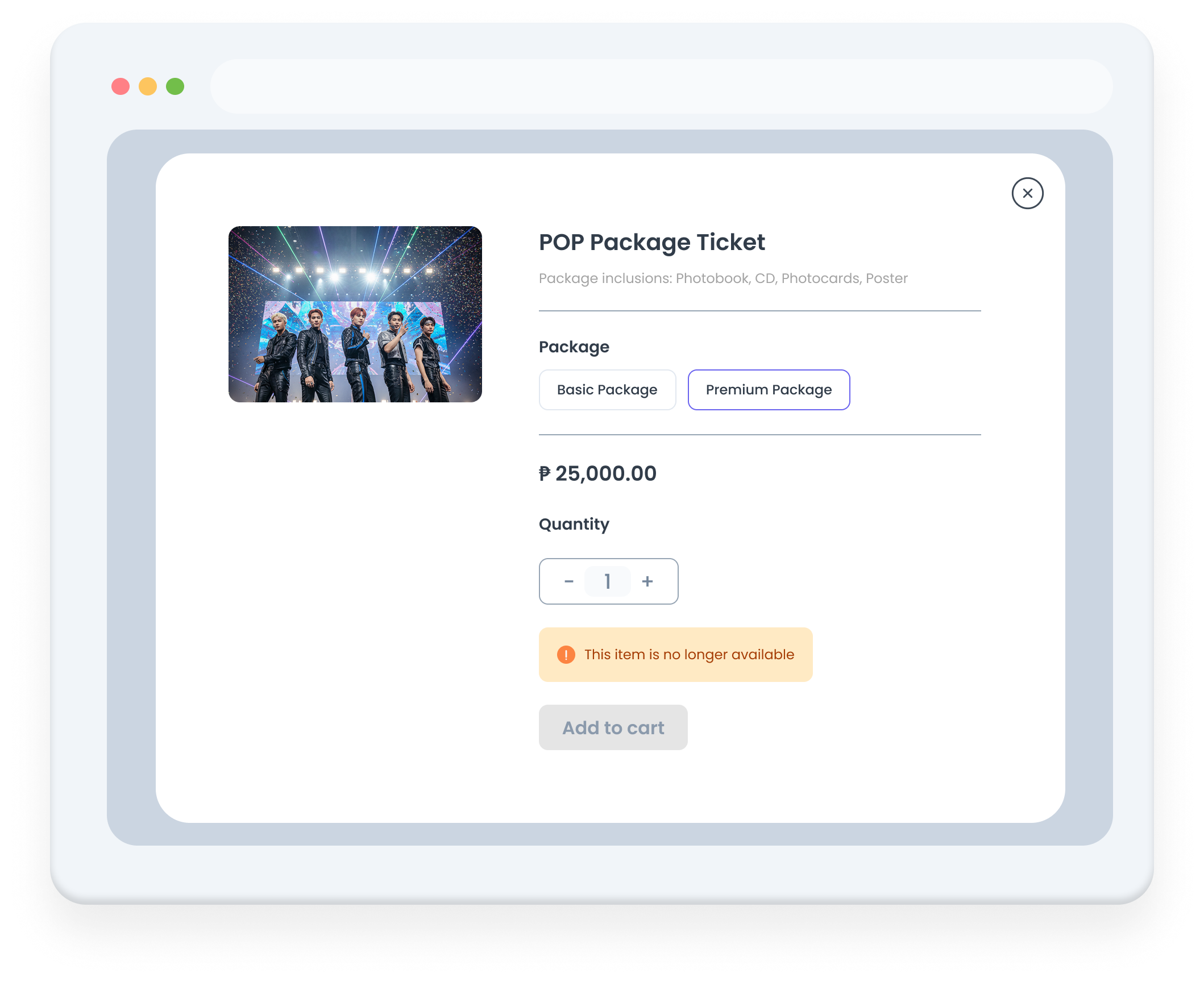
1. Eliminate "Out-of-Stock" Surprises
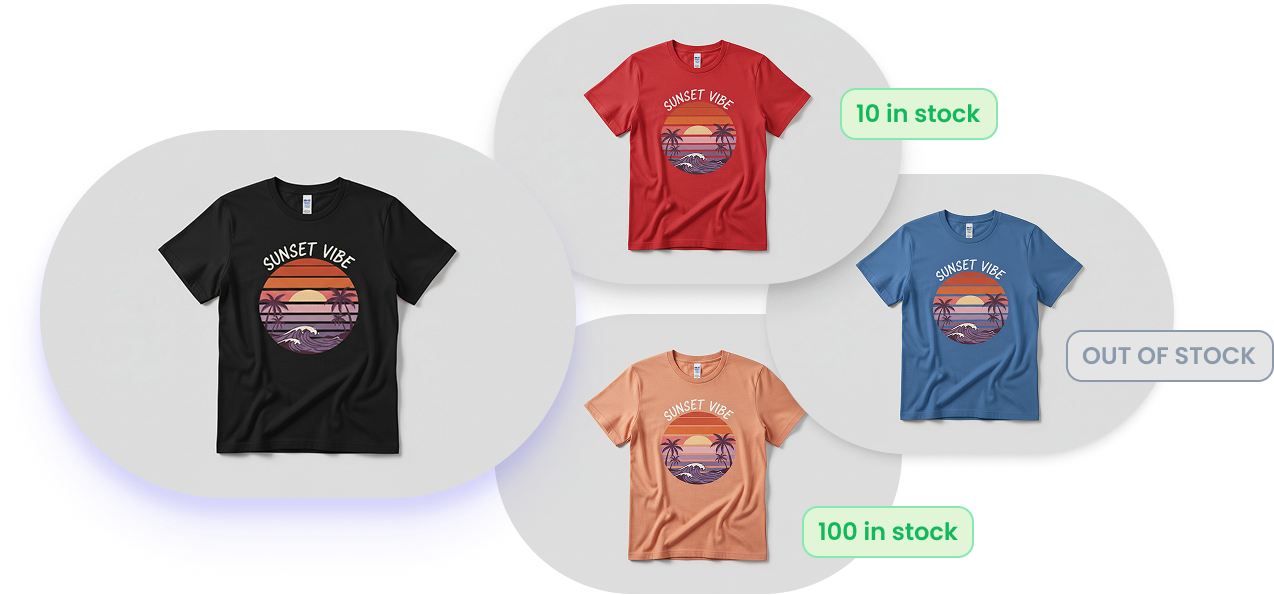
There is nothing more damaging to customer trust than an order being cancelled because an item was actually out of stock. PayRex’s inventory system tracks every variant in real-time. If the "XL Pink" shirt sells out, the system automatically marks it as out of stock, preventing a bad customer experience before it happens.
2. Buy Only What Sells
Inventory is "frozen cash." If you have ₱5,000 worth of Large shirts sitting in your stockroom while you’re sold out of Smalls, your money is working against you. Tracking at the variant level on your PayRex Dashboard shows you exactly which sizes and colors your customers actually want, allowing you to spend your budget more wisely on your next production run.
3. Capture more demand without expanding your catalog
PayRex’s variants let you serve more customer preferences without creating entirely new products.
Instead of launching 10 separate items, you launch one product with 10 variants, expanding your reach while keeping your catalog clean.
4. Increase conversion through better choice architecture
Customers are more likely to buy when they can quickly find the exact option they want.
This leads to higher conversion rates and lower bounce rates.
5. Enable more precise marketing and merchandising
When you know which variants perform best, you can:
Promote high-performing options
Personalize recommendations
Optimize pricing strategies per variant
PayRex’s variants effectively turn one product into multiple data points for optimization.
6. Deliver a better customer experience
Ultimately, this is what ties everything together.
PayRex’s inventory and variants allow your customers to:
Explore options without leaving the page
Compare features easily
Find a product that matches their exact needs
That seamless experience builds trust, and trust drives repeat purchases.
The takeaway
The goal of any merchant is to spend less time on manual data entry and more time on the creative and strategic work that grows the brand. By using inventory and variants on your PayRex storefront, you’re building a foundation that can support ten orders a day or ten thousand.
Stop managing your business through guesswork and start building a scalable commerce engine.