How to Properly Register Your Business for a Payment Gateway (and Why It Matters)
Jaime Hing III
March 27, 2026
•
4
min read
If you are applying for a payment gateway like PayRex, your merchant account application is not just a sign-up form. It is a regulated financial onboarding process.
We often see businesses unintentionally delay or fail activation because the business they registered does not match how they actually plan to use the platform. This post aims to clarify what "correct registration" really means and why it protects both your business and the payments ecosystem.
Merchant activation process or KYM process
When you sign up for a PayRex merchant account, part of the process before going live is the merchant activation — also known as the Know Your Merchant (KYM) process.
Payment gateways in the Philippines operate under Philippine financial regulations and comply with requirements set by the Bangko Sentral ng Pilipinas (BSP), partner banks, card networks, and anti-money laundering laws. Because of this, payment gateways must verify every business before enabling live transactions.
This process confirms that:
Your business is legitimate and properly registered
The business information you provided is accurate
The nature of your business matches how you plan to use PayRex
The settlement bank account belongs to you or your company
Providing complete and truthful information helps us activate your merchant account faster and prevents delays during the review process. Once your KYM review is approved, your merchant account will be activated to accept live payments and receive payouts.
A PayRex merchant account represents a specific legal business
Your merchant account is tied to a real legal entity. A merchant account is not a person (PayRex will support professionals soon), not a group of side projects, and not a catch-all for multiple unrelated ventures.
During merchant activation or KYM (Know-your-merchant), you are required to provide detailed business information such as:
Legal business name and registration details
Nature of business (products or services offered)
Tax information
Business address and contact details
Ownership or incorporator information
Bank account under the registered business name
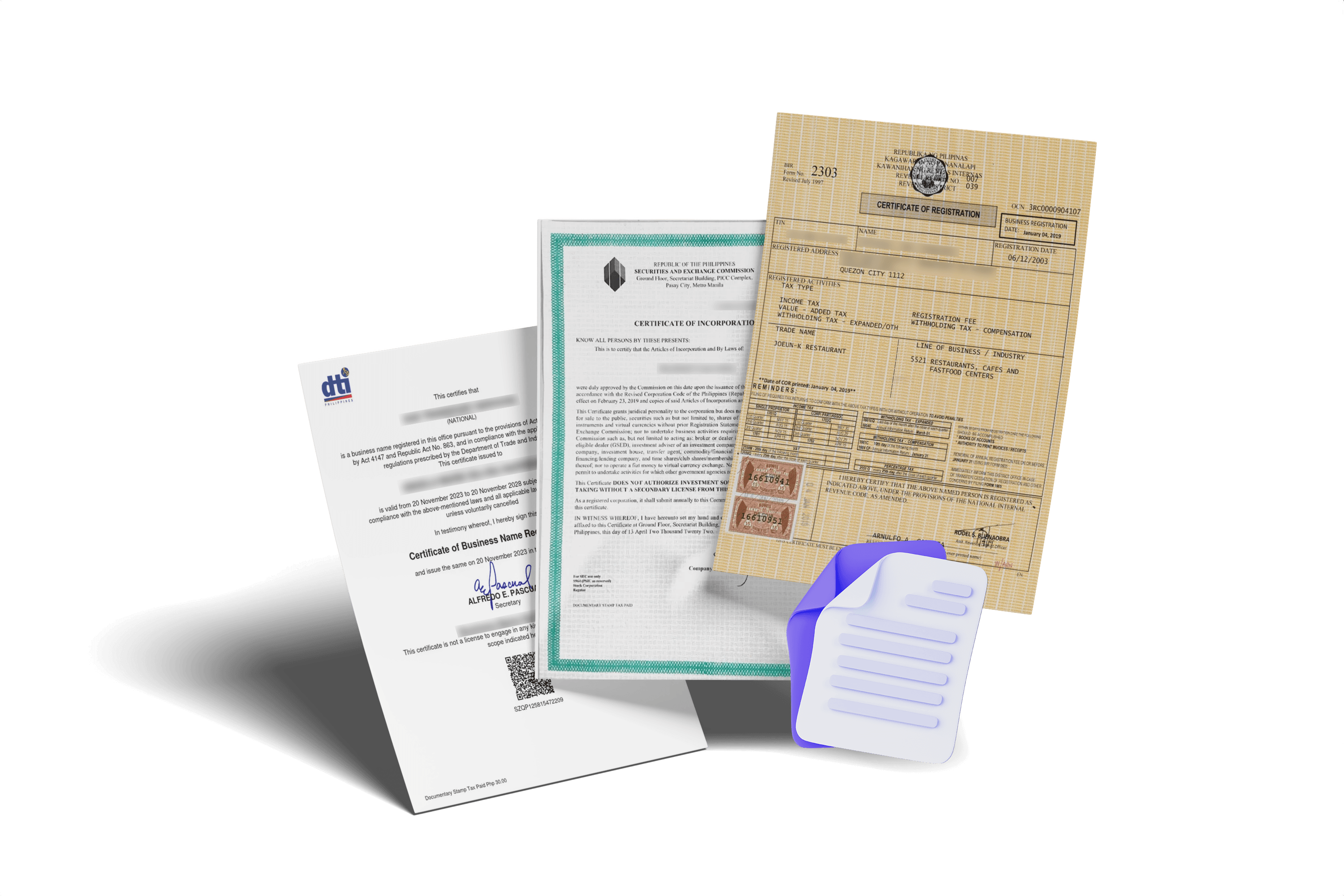
Supporting documents (DTI/SEC/CDA registration, BIR 2303, valid IDs, etc.)
These requirements exist because payment processing is heavily regulated. Payment providers must perform identity verification, risk assessment, and compliance checks before allowing live transactions. In short, the payment gateway is onboarding your business as a financial counterparty.
Need help with supporting documents?
If you do not have the required documentation yet, use the links below for guidance on how to obtain them:
Your application purpose must match how you will use PayRex
One of the most common mistakes is registering a business that is unrelated to the actual payment activity.
Examples of submission mismatches:
Registering a consulting agency, but sells e-commerce products.
Using one merchant account for multiple unrelated businesses.
Applying as a personal brand while operating as a corporation.
Why the right purpose matters?
1. Risk & fraud monitoring is business-specific
Payment gateways monitor transactions against expected behavior for your industry.
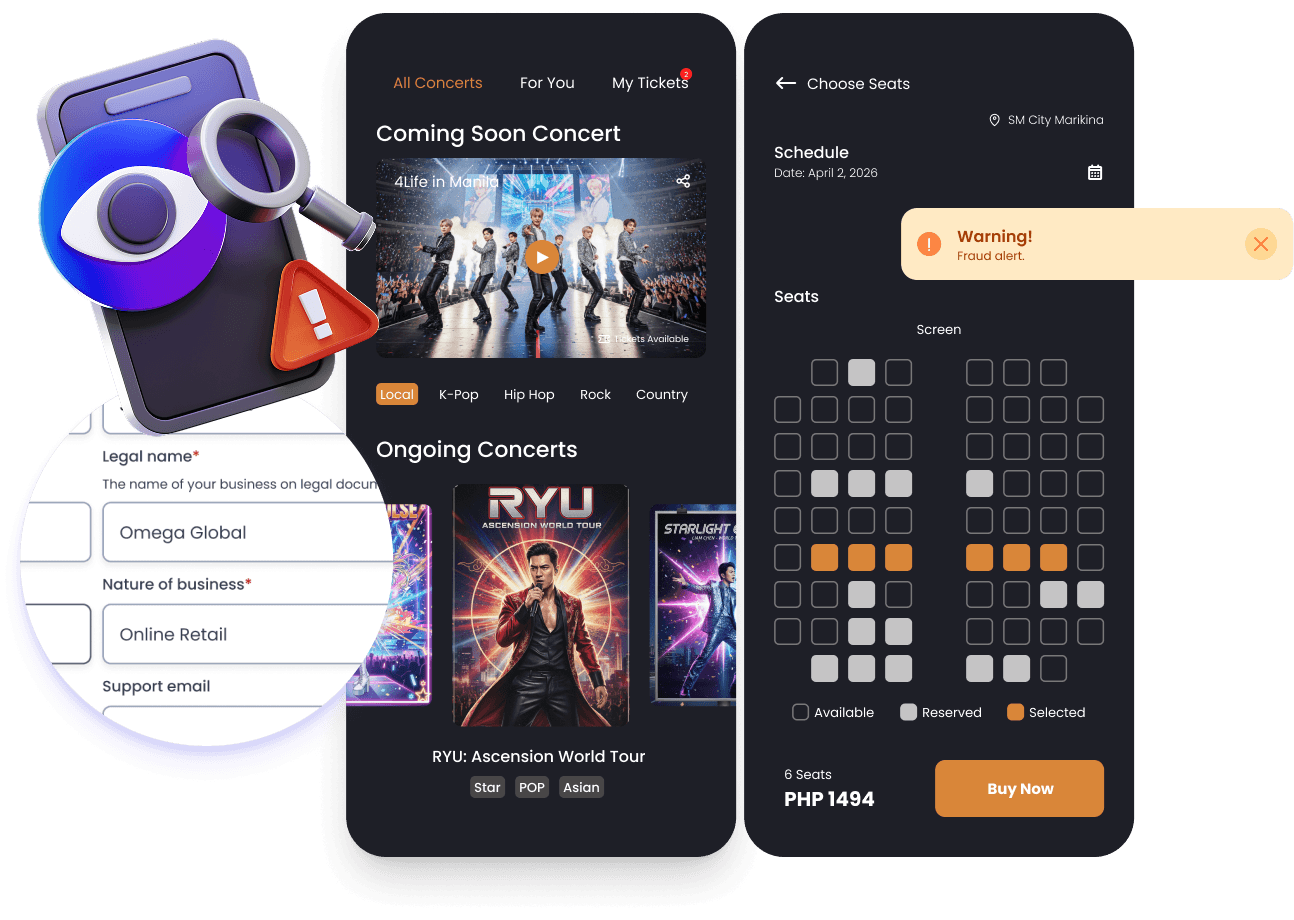
If you declare “online retail” but process ticket sales, subscriptions, or donations, the activity may trigger fraud alerts, reviews, or payment holds. Note that merchant onboarding or KYM is the initial safeguard for PayRex. If you pass the merchant onboarding process and are now allowed to process real transactions, our transaction and risk monitoring will continue to monitor your transactions. Your transactions should align with the information you submitted during merchant onboarding.
2. Banking and settlement requirements must match
Your settlement bank account must be associated with the registered legal entity.
For example:
Corporations, partnerships, and cooperatives must settle to their business or corporate bank accounts
Sole proprietors may receive payments through a bank account under the business name or to the business owner’s bank account
Using mismatched accounts can delay payouts or trigger compliance checks.
3. Regulatory compliance requires transparency
PayRex and our payment partners must understand some of the following things:
What you sell
Who your customers are
Your expected transaction volume
These questions are not optional. It is part of financial and regulatory obligations and risk management.
One merchant account = One business (In most cases)
A PayRex merchant account is designed to represent a single merchant legal entity. Running multiple unrelated businesses under one account creates serious issues:
Reporting becomes inaccurate
Tax treatment becomes unclear
Disputes become difficult to resolve
Risk exposure increases for both parties
Your “Nature of Business” is not just a description
When you declare your nature of business, you are effectively telling the payment provider: “This is how money will flow through the platform.”
This affects your merchant account’s:
Activation decision
Supported payment methods
Risk thresholds
Monitoring rules
Compliance obligations
Chargeback expectations
Provide a clear, honest, and specific description of what you actually sell. If you do not know how to fill out this information, please reach out to our chat support team or support@payrex.com.
Good example:
Online store selling physical apparel through Shopify to Philippine customers.
Weak example:
General trading business.
Note that you must stay true to the information that you will provide. Risk assessment and monitoring will still flag you if there is a misalignment with how you use PayRex.
You can integrate while completing your documents
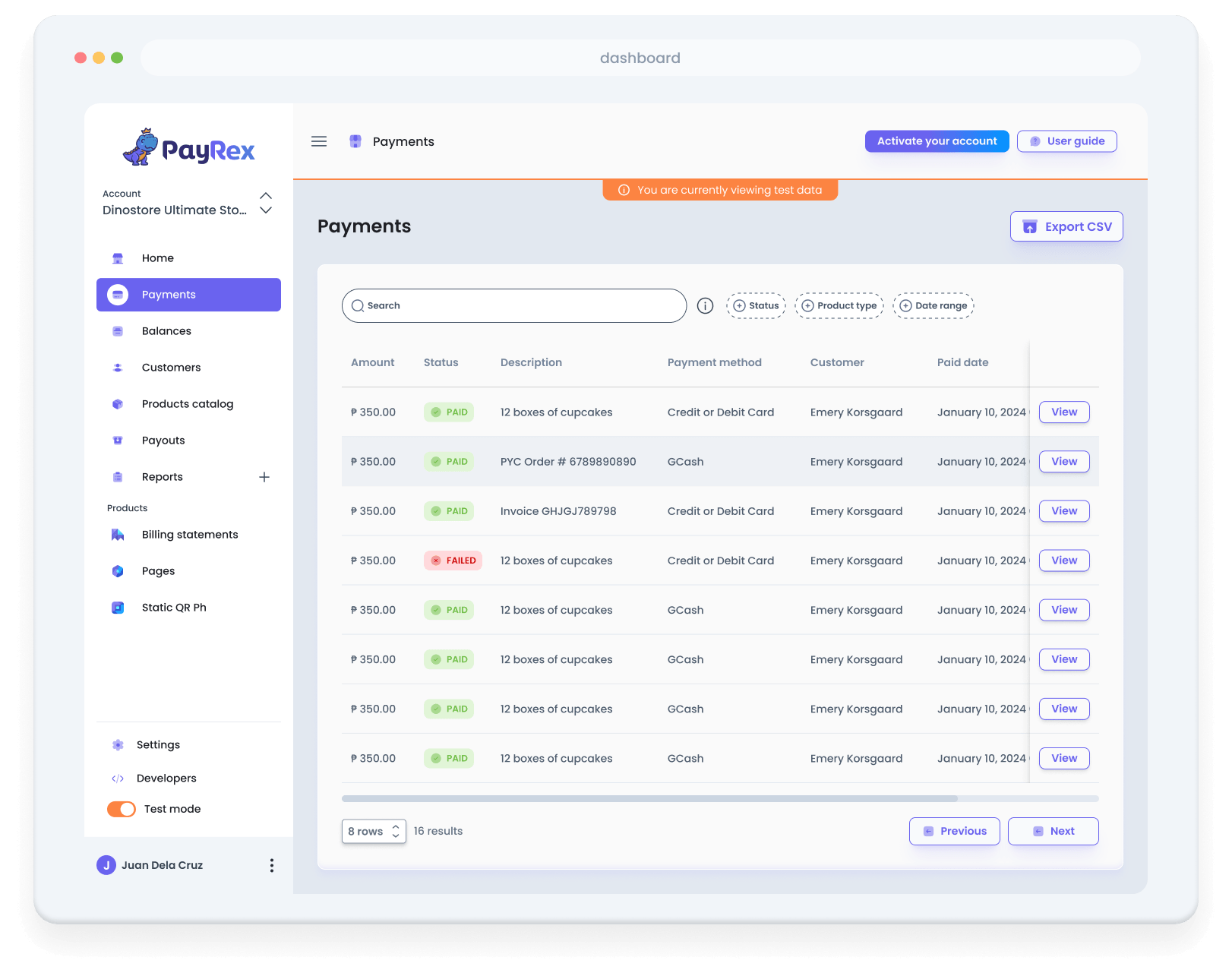
PayRex provides sandbox access even if you are still collating your business documents. You may begin technical integration in test mode while preparing requirements. However, you cannot use sandbox access to start accepting real payments. You still have to complete merchant activation to accept real money. Submitting incomplete or mismatched information prolongs this process.
Why getting this right protects you
Accurate merchant activation is not just about compliance. It protects your own business operations.
Proper merchant onboarding helps ensure:
Faster merchant activation
Stable payouts
Lower risk of transaction disruptions
Accurate reporting and reconciliation
An incorrect merchant account activation can lead to:
Extended merchant activation reviews
Request for additional documentation
Account limitations
Re-onboarding requirements
Practical tips before you apply
Register using the legal entity that will receive the payouts
Ensure your bank account name matches the business name
Describe your actual products/services clearly
Use one merchant account per business entity unless advised otherwise. If you prefer to separate payments by business branch, and the branch has the same legal entity, you can also create a separate merchant account and then submit the same documents.
Provide accurate sales volume estimates
Prepare official registration and tax documents
If your business model changes later, contact support@payrex.com or chat support before using the account for a different purpose.
Final thoughts
A payment gateway is not just a tool. It is part of your business's financial infrastructure. Registering correctly from the start ensures a smooth onboarding experience and long-term stability for your payment operations.
If you are unsure how to structure your merchant account application, it’s always better to ask. You can reach out to our customer support team with any further questions. Please contact support@payrex.com or use our chat support functionality, and we will assist you. Proper alignment between your legal business and your payment activity is the foundation of a reliable payment setup.